

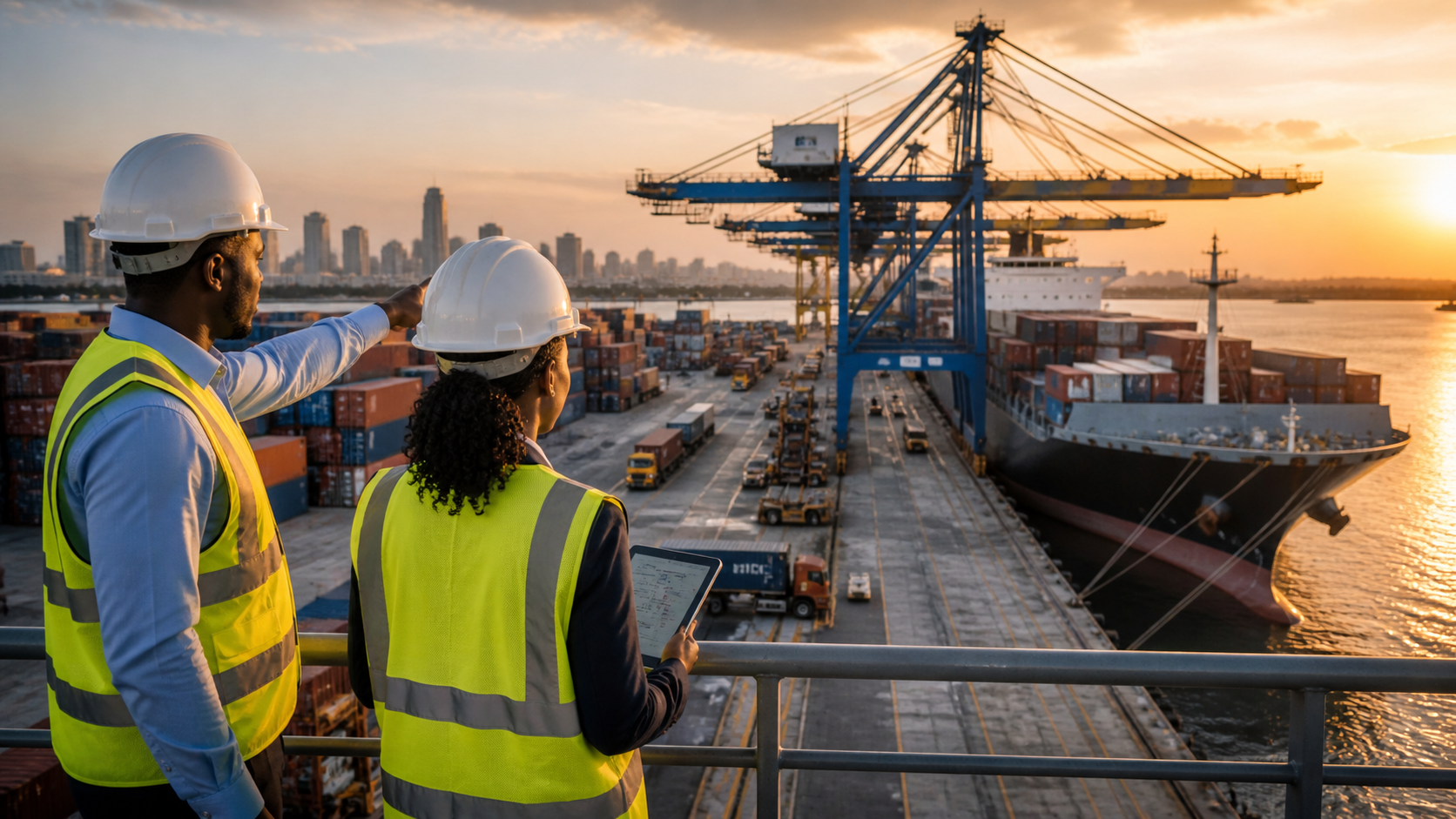
For many manufacturers and producers, expanding into international markets is a major growth opportunity. However, while global trade offers access to larger markets and increased revenue potential, the process of entering international commerce can be difficult for many businesses.
The challenge is often not a lack of quality products or business potential. In many cases, businesses struggle because they lack the systems, infrastructure, logistics support, and technical knowledge required to compete globally.
The Export Readiness Program was created to bridge that gap.
Developed by the Department of Commerce, the program is designed to help manufacturers, producers, and export-ready businesses prepare for international trade through structured support, practical training, mentorship, and shared infrastructure.
The objective is simple: make global trade more accessible, practical, and sustainable for businesses that are ready to scale beyond local markets.
Helping Businesses Move Beyond Local Markets
Many businesses remain limited to local or regional markets, even when there is demand for their products internationally. This is often because export processes can seem complicated and expensive.
Businesses may struggle with:
- Export documentation
- International compliance requirements
- Logistics coordination
- Warehousing
- Supply chain management
- Market entry strategy
Without proper guidance and infrastructure, expanding internationally can become overwhelming.
The Export Readiness Program simplifies this transition by creating a structured system that helps businesses prepare for and navigate global trade more effectively.
Building Export Capacity Through Training
One of the major components of the program is capacity building.
Participants receive practical training designed to help them understand the operational and regulatory aspects of international trade. Rather than relying on theory alone, the program focuses on practical knowledge that businesses can apply immediately.
Through conferences, seminars, and workshops, participants learn about:
- Export regulations
- Documentation processes
- International trade compliance
- Packaging and standards
- Market entry strategies
- Supply chain coordination
These sessions are led by industry professionals and trade experts who provide real-world insight into how export systems work.
This helps businesses reduce costly mistakes while improving their readiness for international expansion.
Access to Shared Infrastructure
Infrastructure remains one of the biggest barriers preventing many businesses from participating in global trade.
Building independent warehousing and logistics systems can be expensive, especially for small and growing enterprises. The Export Readiness Program addresses this challenge by providing access to shared infrastructure.
One of the key features of the program is a centralized warehouse system designed for:
- Efficient storage
- Inventory management
- Product handling
- Distribution coordination
This shared system allows businesses to access professional warehousing solutions without carrying the full financial burden of building independent facilities.
It also improves operational efficiency and supports smoother export coordination.
Coordinated Global Supply Chain Support
Exporting products involves more than shipping goods overseas. Businesses also need systems that support reliable logistics and supply chain management.
The program provides access to a coordinated global supply chain system that helps businesses:
- Streamline logistics
- Improve distribution efficiency
- Reduce shipping complications
- Access international markets more smoothly
This coordinated structure helps simplify international operations while making it easier for businesses to scale sustainably.
By reducing logistical complexity, businesses can focus more on production quality, growth, and market expansion.
Mentorship and Strategic Guidance
Expanding into international markets requires more than infrastructure alone. Businesses also need direction and strategic support.
The Export Readiness Program connects participants with experienced professionals who provide mentorship and guidance throughout the process.
This support helps businesses:
- Improve operational structure
- Scale effectively
- Understand trade requirements
- Make better strategic decisions
- Strengthen long-term sustainability
For many businesses, access to experienced guidance reduces uncertainty and improves confidence when entering global markets.
Reducing the Cost of Expansion
Cost is one of the most overlooked barriers to international trade.
Many export systems require heavy investment in:
- Warehousing
- Logistics
- Compliance systems
- Operational infrastructure
Smaller businesses often struggle to afford these systems independently.
The program addresses this by creating shared solutions that reduce operational expenses while still giving businesses access to professional infrastructure and export support systems.
This shared approach makes expansion more:
- Cost-efficient
- Practical
- Scalable
- Sustainable
It allows businesses to access opportunities that may otherwise be financially out of reach.
Who the Program Is For
The Export Readiness Program is designed for businesses that already have operational foundations and are preparing for larger market opportunities.
The program is open to:
- Manufacturers
- Producers
- Export-ready SMEs
- Value-added processors
These are businesses looking to move beyond local operations and expand into international commerce with the support of structured systems and professional guidance.
A Structured Participation Model
To maintain and expand the infrastructure supporting the program, participants contribute through a structured operational model.
This includes:
- Annual warehouse usage fees
- Percentage-based contributions from export revenue generated through the program
This model helps ensure that the infrastructure remains:
- Functional
- Sustainable
- Scalable
- Beneficial to all participating businesses
The structure is designed to support long-term operation while creating shared value across the network.
Making Global Trade More Accessible
Many businesses capable of succeeding internationally never expand because the systems required for export can appear too difficult, expensive, or complex.
The Export Readiness Program removes many of these barriers by replacing uncertainty with structure, support, and practical guidance.
By combining:
- Training
- Mentorship
- Shared infrastructure
- Logistics coordination
- Strategic support
the program creates a clear pathway for businesses looking to enter global markets confidently.
Supporting Sustainable Business Expansion
International expansion requires preparation, structure, and the right support systems. Without these elements, businesses may struggle to compete effectively in global markets.
The Export Readiness Program helps businesses build the operational readiness needed for sustainable international growth.
For manufacturers, producers, and export-ready enterprises seeking to scale beyond local markets, the program provides practical tools, infrastructure, and guidance that make global commerce more accessible and achievable.